Why I Built It
A URL shortener sounds like a weekend project. I wanted to learn about routing and databases. I did not expect it to become an education in how production software actually works.
The first version was called Shrymp. It worked on my laptop. You gave it a long link and it gave you a short one. That was about it. Then I kept thinking about it. The routing felt lazy. The design looked like a template. There was no way to track anything. I realized I could do better. Not incrementally better. Rebuild-it-from-scratch better.

Starting Over
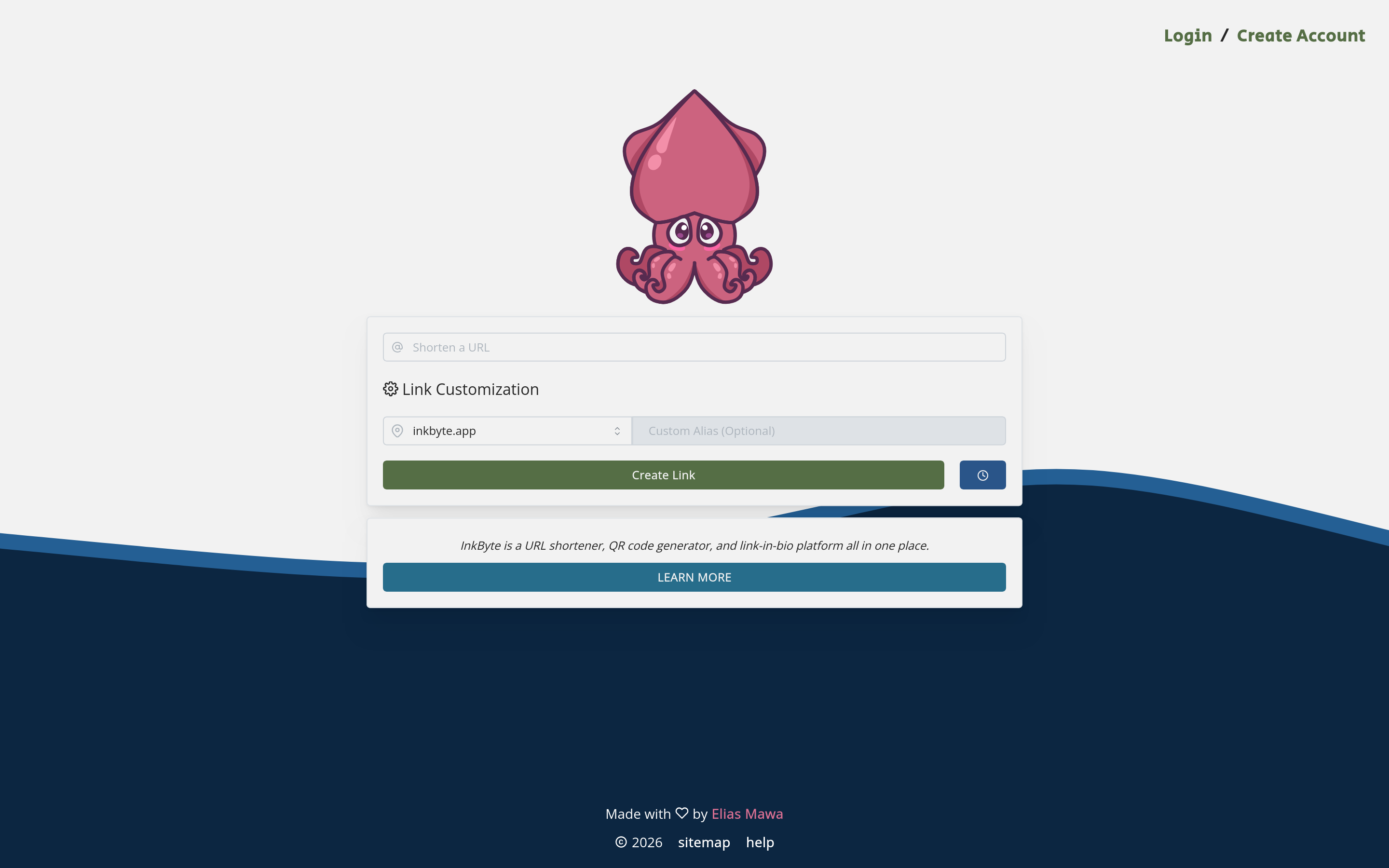
InkByte was the second attempt. I wanted accounts so people could own their links. I wanted analytics that actually told you something useful. I wanted the interface to feel professional instead of borrowed.
The routing layer was the first thing to break. Shrymp assumed one domain. InkByte had to handle custom domains. That meant looking at both the hostname and the path on every request. A link on example.com/abc and a link on inkbyte.io/abc are completely different. I rebuilt the router from scratch.
What I Learned the Hard Way
I chose Koa for the API because it handles requests as a chain of small steps. Each redirect needs to finish in milliseconds because it sits between a user and the rest of the internet. Server-side rendering was a requirement, not a choice. If the browser loads JavaScript before redirecting, that is an extra round trip. Nginx handles the reverse proxy and TLS termination while the frontend renders on the server.
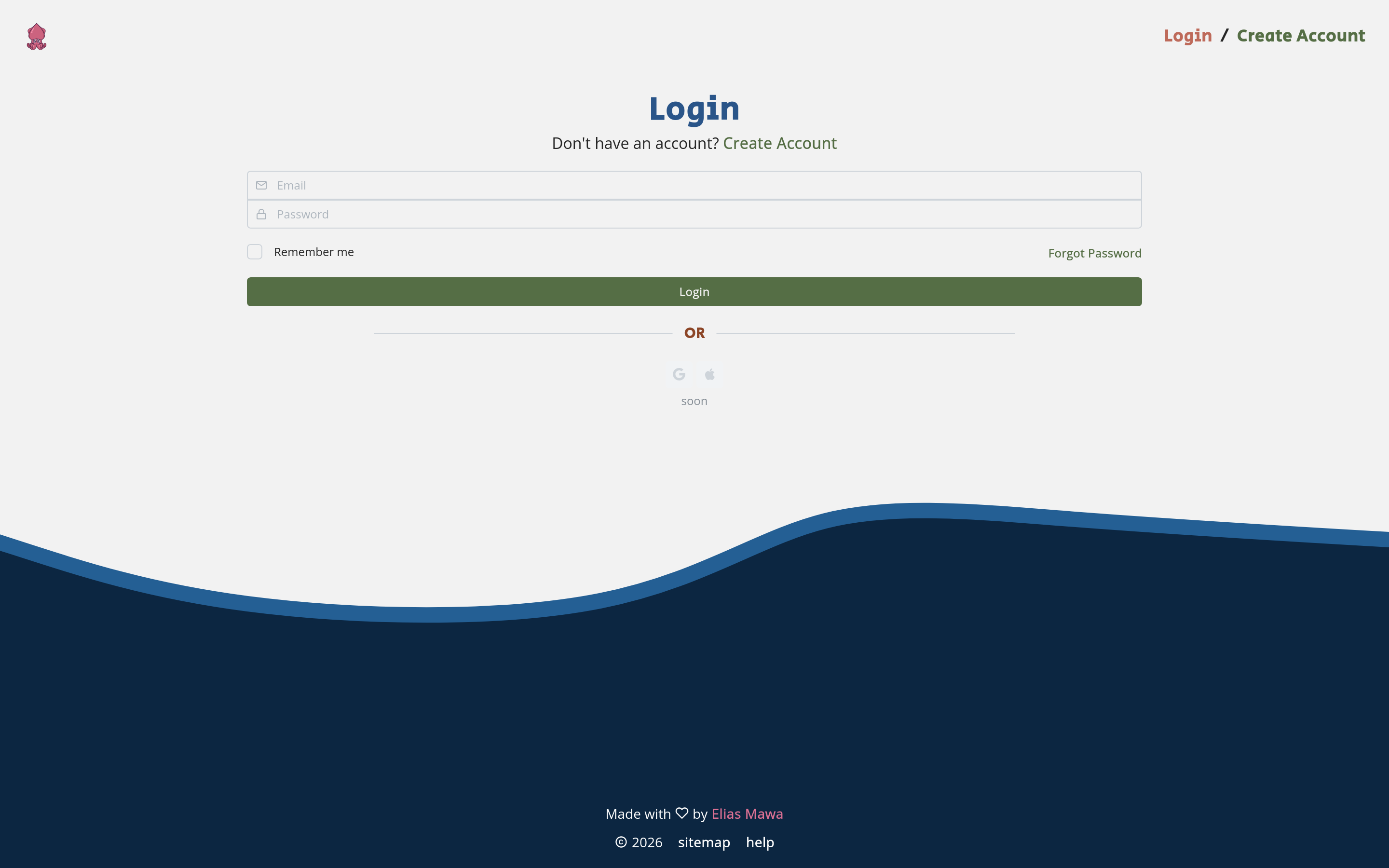
I used MySQL with Prisma and made decisions that felt excessive at the time. Every primary key is a UUID because auto-incrementing IDs let someone guess every link by counting up. Soft deletes across every model preserve relationships and create an audit trail. Session-based analytics deduplicate clicks within the same session. The difference between one thousand clicks and one thousand people matters when you are trying to understand reach without tracking individuals.
The project is a monorepo with two packages and thirteen shared libraries. Rollup bundles shared code so both sides import from the same source. Getting this right meant wrestling with TypeScript path aliases and build order. A bad dependency graph throws errors that only show up in production.
What Stuck With Me
I thought routing would be easy. It was the hardest part. I thought database migrations were scary. They were. This project taught me to think in failure modes. What happens when the database slows down? When a custom domain DNS record is wrong? When someone creates a million links in an hour?
InkByte was my education in building software that faces the public internet. Simple features are not simple. The best systems do not pretend failure will not happen. They plan for it.